Pets in Condos: From Problem to QR System
Learn how a residential community in Mexico reduced pet complaints from 20 per month to just 2 using a QR registry system.
Living with Pets in Condominiums
Living in a condominium can be challenging, especially when it comes to pets. Complaints can range from constant barking to hygiene issues. According to the Ley de Propiedad en Condominio del Estado de México (Condominium Property Law of the State of Mexico), internal regulations must govern pet ownership, but these are often not strictly followed.
A condominium in Guadalajara faced an average of 20 pet-related complaints per month. Issues ranged from neighbors annoyed by barking to more complex situations like pets off-leash in common areas.
Implementation of the QR Registry
To address these issues, the condominium management decided to implement a QR registry system for pets. This system, besides being innovative, proved to be very effective. The QR registry works as follows:
- Mandatory Registration: All pet owners must register their animals in a centralized system.
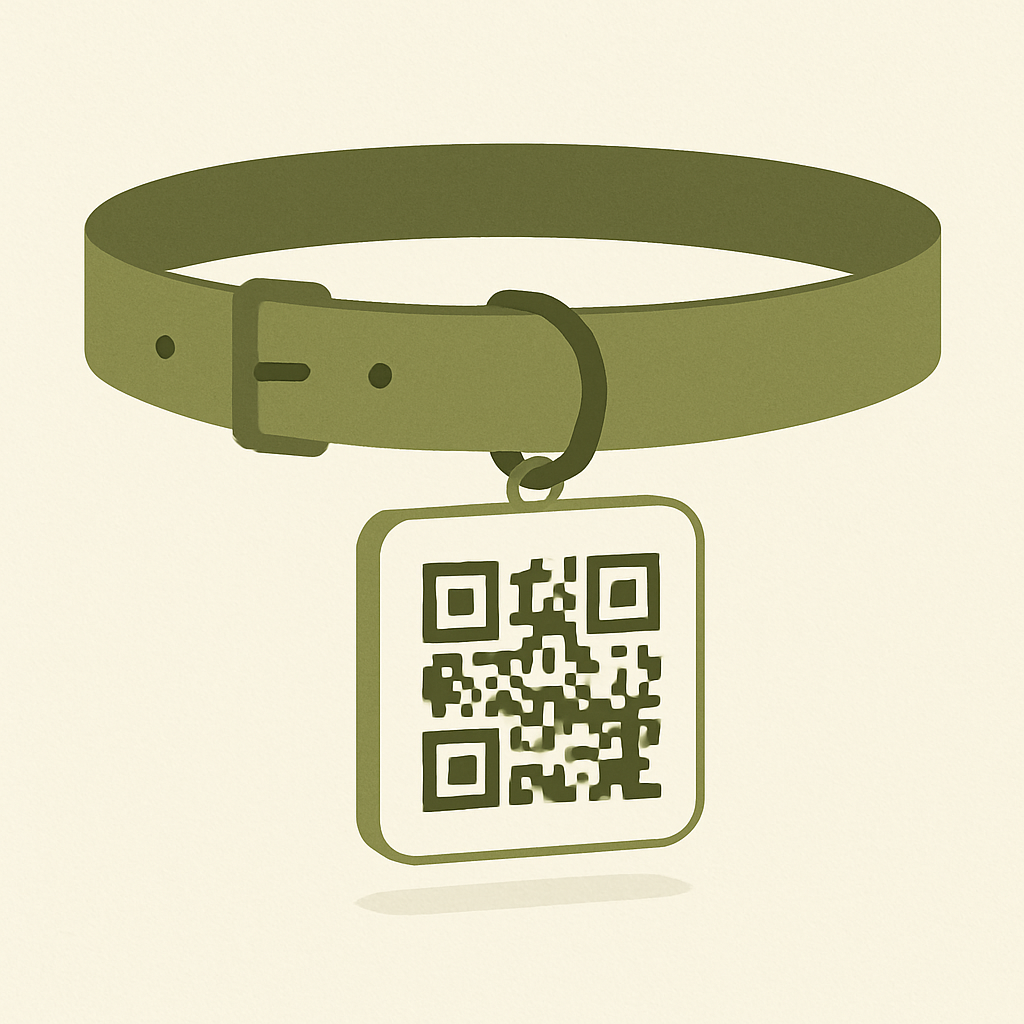
- Unique QR Code: Each pet receives a collar with a QR code that, when scanned, provides relevant information about the animal, such as its name, breed, owner, and special health conditions.
- Monitoring Common Areas: Security personnel can scan the QR codes in common areas to ensure compliance with rules.
The use of the QR registry not only helped identify pets but also facilitated communication between management and owners, thus reducing complaints to just 2 per month.
"The implementation of the QR registry has been key to improving neighbor relations and ensuring pet welfare," comments the community administrator.
Benefits and Challenges of the New System
Benefits
- Reduction in Complaints: With stricter control over pets, complaints decreased, improving coexistence.
- Transparency: Owners feel more confident knowing there is a transparent and fair system for everyone.
- Safety: In case of loss, the QR makes it easier to identify and return the pet to its owner.
Challenges
- Initial Adoption: Convincing all owners to register was an initial challenge, but it was achieved through effective communication and informational meetings.
- System Maintenance: Management must ensure the system remains updated and functional to continue being effective.
Legal and Practical Considerations
It is important to remember that any regulation or system implemented must comply with local laws. In Mexico, the Ley de Protección de Datos Personales en Posesión de los Particulares (LFPDPPP) (Personal Data Protection Law) provides clear guidelines on handling personal data, which also apply to data collected through the QR registry.
Finally, while implementing a system like this may require an initial investment, the long-term benefits in terms of coexistence and conflict reduction are significant. Considering innovative solutions can be key to improving community life.
At habitaOne, we understand the challenges of condominium management and offer tools that facilitate record-keeping and improve coexistence.
Tired of chasing late payments and managing fees by hand?
habitaOne automates it all: fees, access, assemblies, AI against delinquency. Try it free.